Showing posts with label nature. Show all posts

Wednesday, January 20, 2016

Rerun Article: The Wonders of Snow

January is ending fast. Before you know it, it'll be February and then Spring will be in the air! Where does the time go? I don't have much to share today in regards to news, so I'll display our usual "Days Till" section, breeze through "In the Spotlight" and get into today's topic.

Days Till
It is: 13 days till Groundhog Day
It is: 23 days till Abraham Lincoln's Birthday
It is: 25 days till Valentine's Day
It is: 44 days till Zootopia's theatrical release

In the Spotlight
Since it's coming out really soon, I thought I'd showcase the latest trailer for Zootopia, coming out on March 4th:

Can't wait for this movie!!!

Topic of the Week
It's used to build snowmen out of, it's used in snowball fights, we shovel it from our sidewalks and driveways, and causes many car-related accidents each year. I'm talking about snow! It's quite literally everywhere in the more northern parts of the northern hemisphere during the winter months. But even though we all know what snow is, many don't know and haven't even thought about how it forms, why it falls, the conditions in which snow falls and many other things. So today, since it's still very snowy in many parts of the world during this time of year, these are just some of the things we're going to learn about.

Snowmen is one of the most common uses for snow.
So what exactly is snow? Well, your typical answer would be something like “that white, fluffy stuff on the ground that falls from the sky during winter time”, and your typical school kid's answer would be something like “that white, fluffy stuff on the ground that falls from the sky that delivers us from the bondage of school!” In all seriousness though, snow is actually precipitation in the form of crystalline iced water. Snow's origins (there's a topic you don't hear everyday!) are not known to well; we have no idea if snow ever was present in the world before the Genesis Flood around 4,350 years ago, but based on geological finds, we believe that if it ever did fall, it wasn't very often and the temperature of the pre-Flood world wasn't all that cold. What sorts of geological finds am I talking about? Well, one prime example is the findings of fossilized trees in what are today known as the polar regions. These trees are not only the ones you'd find in the tropics today, but they also lack frost rings, meaning if it did ever get freezing, it wasn't often, if ever.

Snow started falling in great bunches after the climax of the Genesis Flood. Thanks to the warm temperature of the oceans (which were made warm by the volcanic activity during the Flood), much water was evaporated and clouds formed. It is important to know that the land after the Flood was relatively cold in many places, so when it was time for the clouds to drop their loads, it fell down as snow in some places . . . lots of snow! The snow built up so much after several hundred years had past, the snow had turned to ice that covered much of the Northern hemisphere in great sheets known as glaciers. We call this period of time following the Flood “the Ice Age”. The glaciers eventually disappeared at the end of the Ice Age, about 700 years following the Flood.

How exactly is snow formed? Contrary to popular belief, snow isn't merely frozen water – that's ice. The actual formation of snow takes place when a drop of really cold water (and I do mean really cold!) freezes onto a tiny particle of dust or pollen and crystallizes. This “ice crystal” then proceeds to fall to the ground from the clouds and water vapor freezes to the primary crystal, causing it to reshape itself into the six-armed snowflakes we all know and love. (Keep that in mind the next time you try to catch snowflakes on your tongue).

Snowflakes are so beautiful! Did you know that no two snowflakes look alike?
So now that we now how it's caused, what needs to take place in order for snowfall to take place? The most obvious thing is that it needs to be cold, otherwise when the “snow” falls, it will quickly melt into water and the water vapor crystal can't freeze to the original ice crystal. The temperature But there's another key thing: the ice crystals have to be heavy enough to drop from the clouds. Once heavy enough, gravity does its job of pulling the snowflake down to earth where bunches of little snowflakes add up . . . often times very fast!

Even though snow causes many fatal vehicle accidents each year, there are some positive things that snow does for us. First of all, many people have fun sledding, snowboarding and skiing when there's enough snow on the ground. Sleighs and sleds pulled by horses, dogs or other animals are also a fun winter activity that many enjoy. Snow is also used in other outdoor activities such as building snowmen, having snowball fights and making snow angels.

Did you know that snow can also be beneficial to agriculture? Did you ever notice when it's snowing how it seems warmer out during winter? That's because when a layer of snow falls, it can keep the heat of the earth and protect precious crops from freezing cold winter chills. And when the snow melts and refreezes on sensitive crops such as oranges, it can protect them from those colder days during the winter. There's also another added bonus when snow melts: the water released from melting snow waters the crops.

Now you know all about snow – it's formation, the conditions in which it needs to fall and even a little bit about how important it can be to agriculture! Let's thank God for allowing us to enjoy this wonder of nature that He's allowed to happen for our enjoyment!


Disclaimer: The images used in this blog's posts are found from different sources all over the Internet, and are assumed to be in public domain and are displayed under the fair use principle. If you are the owner of the images and you believe that their use on this site is in violation of any copyright law, then please contact me at my email, and I will get back to you as soon as possible to resolve the issue.

Friday, September 18, 2015

Rerun Article: The Blood-Thirsty Lion?

Hi! We had our first official somewhat-chilly day today. Brr! I only wish I brought my jacket. I'm just glad it's warm indoors! (I know, and I thought last week was nippy!) We've also been pretty busy around here too, getting things ready for the youth rally this Saturday. Fortunately, I still have time to publish an article that I wrote close to when I first started this blog. But first, it's time for...

Days till:
It is: 5 days till the first day of Fall
It is: 24 days till Columbus Day
It is: 68 days till The Good Dinosaur's theatrical release

In the Spotlight:
Unfortunately, I have nothing to share in this section today either.

Topic of the Week by Christian Ryan


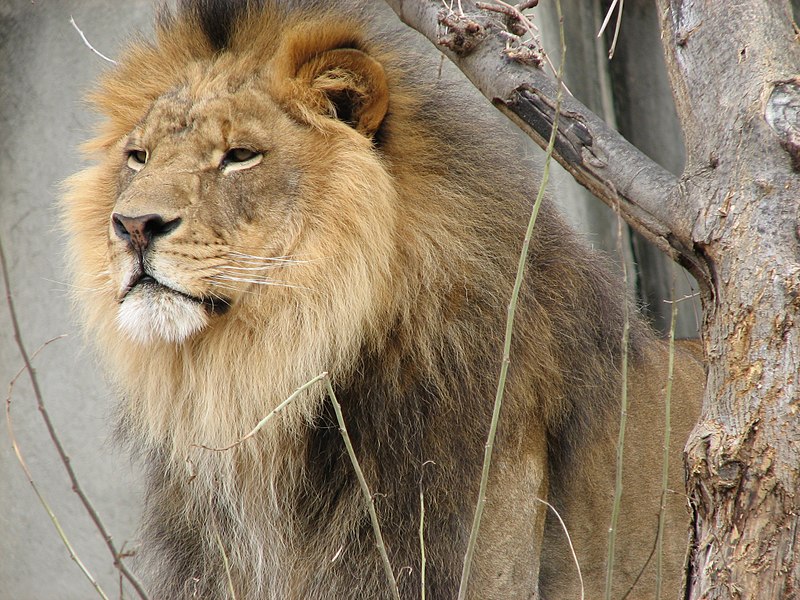
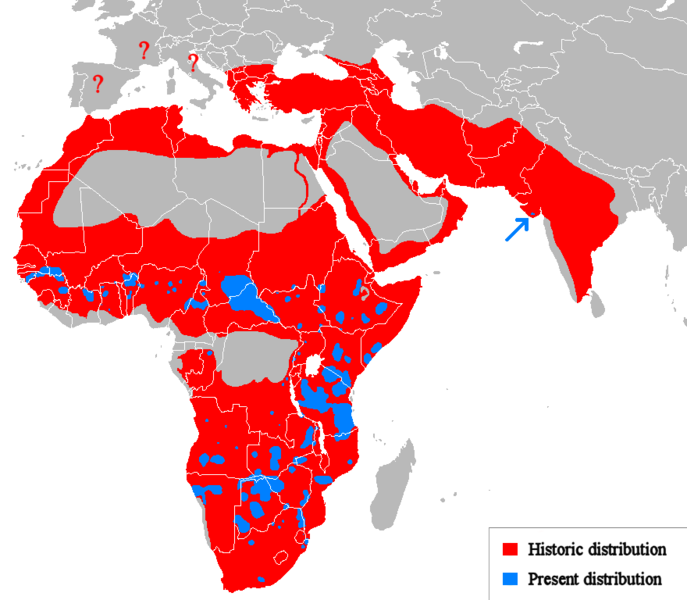
Think you know everything about the “King of Beasts”? Well, we’ll see about that! First of all, some of you might be thinking that lions and tigers don’t really meet in the wild because they live on two separate continents -- lions in Africa, tigers in Asia. For the most part, that’s true, today at least. But back in the day, lions were quite numerous on both continents. Their range went from the Kalahari Desert in Africa all the way to South East Asia! The Bible even talks about this to some extent, as you will recall that the shepherd boy David killed a lion when it came to attack his flock of sheep (with God’s help of course). Another account of lions in the Bible was when Daniel was put into a den of lions when he refused to worship the king. And another event was when a disobedient prophet was killed by a lion (1 Kings chapter 13). This prophet (the Bible doesn’t give us his name) was told by God to go deliver a message to a town and he was told not to eat a thing. After delivering the message, he visited a old prophet who insisted that God said he could eat now. Then the old prophet really did get a message from God: that the unnamed prophet had disobeyed by eating on his trip. Then God had a lion kill him. So after looking at these and countless other ancient accounts (in and out of the Bible), it would be impossible that lions did not live in the Middle East.

The "Panthera Leo's" former and present habitat.


Lions were revered in many countries. They are very dangerous animals as we all know. Now, let’s pretend you had a pet lion. What would you feed it? Meat of course! I mean, lions are carnivores so they have to eat meat to survive because they simply can’t digest plants and other non-meats . . . right? Well, I guess nobody told “Little Tyke” that. From 1946 to 1955, a female African lion was owned by Georges and Margaret Westbeau. They nicknamed the lion, “Little Tyke”. She was born and raised in America. Now they fed this lion liked a strange diet: grain, raw eggs and milk. If even one drop of blood were added to her milk, she would sniff it and walk in the other direction! This is a meat-disliking carnivore! What’s wrong with her? Folks were sure that lions had to eat meat to survive, but Little Tyke proved this was not the case. For her whole life of nine years, she didn’t eat a single speck of meat. Little Tyke isn’t the only “vegetarian-carnivorous” lion. 

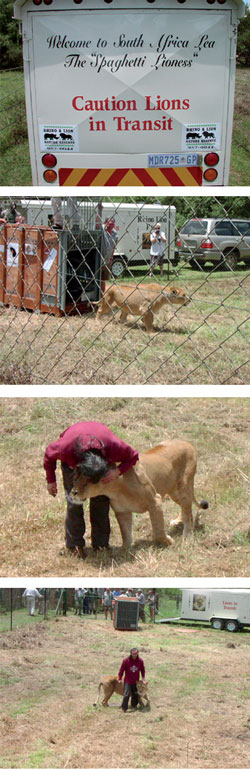
In 2002, Lea, a lioness arrived at Rhino & Lion nature reserve all the way from Rome in Italy. Like Little Tyke decades before her, Lea didn’t eat red meat either. Instead this seven year old lion was raised on a diet of potatoes, green vegetables and cheesy pasta (speaking of cheesy pasta, I’m feeling hungry just thinking about it). There was just one food however she liked more than any other: spaghetti. Then it’s no wonder she got the nickname “Spaghetti Kid”! Now only was she picky on what she liked, she was also picky on how what she liked was prepared. When her new keepers fed her spaghetti with cut tomatoes, she refused to eat. The keepers had to be corrected: Lea only like tomato sauce, not cut tomatoes. So she’s a “picky-vegetarian-carnivore”. Apparently the keepers didn’t feel good about this diet so they were able to switch her diet to red meat within a week.

These images were taken from http://creation.com/lea-the-spaghetti-lioness

Some lions don’t like eating meat, as we just learned. However, some lions even have trouble killing the meat. In 2002, one wild lioness named ­­­­Kamunyak (which means "blessed one"), did a weird thing with a baby antelope she just caught. Instead of killing it like she normally would, she started to take care of it! Many people were surprised that a ferocious killer like Kamunyak could actually take care of her prey. Scientists were astonished! Kamunyak was so devoted to the baby antelope that she even neglected her own health to ensure the baby was protected. Unfortunately however, the baby was killed by a roving male lion (that’s just plain tragic! I’m going to have to give that male lion a call and tell him he just upset hundreds of people!). But one baby wasn’t enough for Kamunyak. She adopted five more baby antelope, and while they didn’t survive nearly as long as the first, we can plainly see that this lion was not the ferocious killer that we’d expect her to be!

Lions refusing to eat meat, lions caring for their prey . . . hmm, this is strange! This has never happened before in the history of the planet! Actually, it has. As a matter of fact, the Bible clearly states that this sort of behavior isn’t new. It is actually rather . . . old. In the book of Genesis, chapter 1, verse 30: “ ‘And to all the beasts of the earth and all the birds in the sky and all the creatures that move along the ground – everything that has the breath of life in it – I give every green plant for food.’ And it was so.”  This is God’s voice commanding every animal on the planet that they were to eat fruits, vegetables and other plants. You see, God created everything to be perfect. Even the lions, or whatever cat God created, was to eat plants. However, when man sinned all of Creation was cursed and everything became corrupt. But let’s look at another book of the Bible, Isaiah 65:25: “The wolf and the lamb will feed together, and the lion will eat straw like the ox . . .” This is a section of the book of Isaiah that explains not the past or present world, but a future. This future world is different than anything we have experienced before. If you read on in the book of Isaiah and Revelation, you would see that this new world is when God creates a new heaven and a new earth. There will be no more sin, curses, death, disease, struggle, hardships, sadness, pain, etc, etc, etc. And it appears that in this new world, God will create animals that will eat plants, just like Lea and Little Tyke did. And best of all, we will be able to see God Himself. Boy, I’d better book a permanent visit to this new world. Wait a minute, I’m already booked! Would you like to be booked to this permanent visit too? Well, first you should know that God has a problem with sin, the bad things that we do. And believe me, we “all have sinned and fall short of the glory of God.” Romans 3:23 (and yes, that includes me, too). Sin would include things like stealing (even a rubber band of CD), hating someone (God compares hatred to murder), being disobedient to parents, lying (even the so-called “white lies”) and committing adultery (God says that even looking at a person with lust is committing adultery). A common way people sin every day is saying the expression “Oh my God.” This is misusing God’s holy Name. People who use God’s name as a curse word have also sinned. Due to all the sin we’ve done throughout our lives, we don’t deserve to even book a visit to this new world. Instead, we deserve a booked permanent visit to Hell. Fortunately, God doesn’t want us to miss out on this permanent holiday destination. Instead, God provided a way for even us sinners to get to Him. He sent His only begotten Son named Jesus Christ to take the punishment we deserve: death, even though He did nothing wrong. However, three days later he rose again and went back up to live with His Father. Would you like to book a permanent visit to the new world? It’s not hard to do. You just need to follow these simple steps that are as simple as A-B-C:
·         A: We must Admit to God that we’ve sinned and turn away from it
·         B: We must Believe that Jesus is God’s Son and accept His gift of forgiveness
·         C: We must Confess out faith in Jesus as our Savior and Lord and live our life for Him.

See? Can’t get much easier than that! Would you like to make those steps right here? Right now? Well, say this quick little prayer to God:

“Dear God,
I know that I’m a sinner, and I also believe that Jesus is Your Son and that He came into the world to take a punishment I cannot pay. Please come into my heart today, oh God, and help me to live for You for the rest of my life, amen.”

If you said that prayer and meant it with ALL your heart, you are now officially booked into that permanent trip to the new world! Congratulations!* Please be sure to send me an email to the address near the bottom of this post so that we can help you get on the road to living a brand new life with God as a Christian.
Oh! I almost forgot! The “new world” isn’t quite open for business yet! However, after we die, God has provided a perfect place for us to wait for its opening. A cool place called heaven! Oh boy, won’t this be exciting! A permanent holiday destination that’s absolutely free. Thank you for joining me today and be sure to check back next week for more cool stuff. Good bye!
Disclaimer: Many (or in some cases all) of the photographs and images above are not mine. If you own one or more of them and would like them to be removed, politely let me know via my email address.

*Update: Remember, it's not saying the sinner's prayer doesn't actually save you. In fact, you can pray a different prayer than the one mentioned above and still be saved. True salvation from Jesus Christ comes from our willingness to truly and wholly surrender our lives to Him.

Friday, September 4, 2015

Rerun Article: The Sound of Nature

Hi guys and girls! Today, I've got an article that I published over a year ago. Without further ado, let's get started!


Days till:
It is: 3 days till Labor Day
It is: 19 days till Fall
It is: 82 days till the theatrical release of The Good Dinosaur

In the Spotlight:
Once again, I have nothing noteworthy to share this week.

Topic of the Week by Joy Hammond
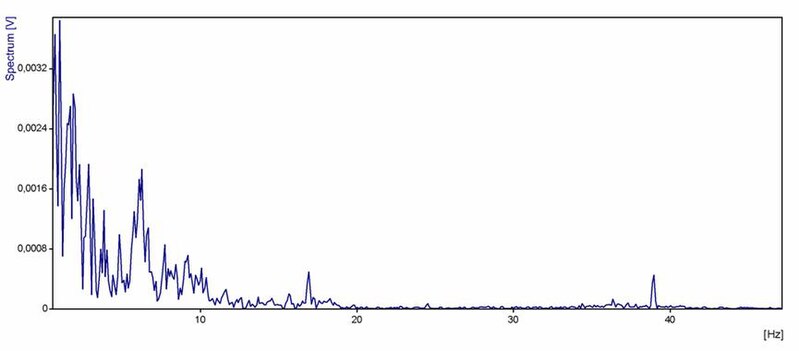
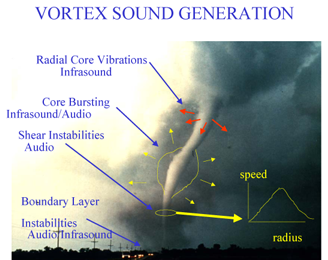
The Sound of Music . . . and I'm not talking about the movie! There is so much of this world that has been discovered from the tiniest particles to the tallest mountains. Name three or four things that are invisible but you that their there through your other senses. I bet you wouldn't have named this: infrasound. Now your probably wondering what in the world is infrasound. Well, infrasound is a sound frequency below 20 hertz. Which means it's a sound that can be seen and is barely heard with the human ear. However, your body can feel it and may react to it, such as getting dizzy, nausea, or have headaches. Do you want a type of example of an infrasound?

This is an infrasound recording.
Believe it or not, nature really does have a song of its own, you just can't hear it . . . unless you have some type of high-tech machine. Sound is powerful just like it's told in class, let your voice be heard. Tiger and lion roars have been known to temporally stun their prey. Scientists can predict tornadoes several minutes before it touches down because of its infrasound. Sometimes you have this feeling of a sense of dread before a thunderstorm occurs or and avelanche. With this knowledge, people maybe able to save lives in the future by detecting infrasound waves of occurring disasters.


We all know that the mighty roar of a tiger means it's time to start running the opposite direction!
Humpback whales can call each other from 100 miles away; talk about international cellphone coverage! The Sumatran rhinoceros carry on a constant infrasonic “song” when they were originally thought to be quiet and solitary. Unfortunately, these sounds rarely be heard with the human ear. It just shows that nature really does have a song of its own. Did you know that on February 15, 2013, the Chelyabinsk meteor exploded over southern Russia and that its sound waves circled around the world several times and lasted more than a day! It was the loudest sound ever recorded, unfortunately it was an infrasound so we couldn't hear it, but maybe we had some type of response to it? Although we can't hear it, our mind can sense it. This goes to show that sound is everywhere, perhaps if you stop and listen, you may be able to hear the sounds of nature and its song.

Disclaimer: Many (or in some cases all) of the photographs and images above are not mine. If you own one or more of them and would like them to be removed, politely let me know via my email address.

Friday, June 12, 2015

Rerun Article: Lighting Up Fireflies

Well, I just went to go see Jurassic Worldlast night (some areas it came out on the 11th, while others it is being released today). Eight years of my life I've been patiently waiting for this film, and I was finally in the theater watching it! The movie was awesome! Expect a fuller three-part overview starting next week that's similar to my overview of the Primeval series I do on occasion. For now,

Days till:
It is: The Park Was Opened Yesterday!
It is: 7 days till Inside Out's theatrical release
It is: 16 days till Father's Day

Topic of the Week by Joy Hammond
I love it when I'm outside at night and the fireflies start coming out. I always try to catch a few of them and then watched as they flew away, off my hand. Fireflies are so much fun and just beautiful in the dark. They light up the night and are enjoyed by pretty much everyone.

This is a Japanese Firefly showing off its glowing tail.
Fireflies also known as lightening bugs light up because of a chemical reaction called bioluminescence. As a larvae however, the light is used to mostly warn enemies. Some people believe that the light is also used during mating season. Female fireflies tend to use the light for attracting males. However there are some fireflies that don't glow. Those lightening bugs have large antennas and small eyes.

The top photo was taken with the flash on, and the bottom picture was taken with it off to show the firefly's glow.
Night time is full of life but either we're too busy or already asleep to see it happen. There is practically a whole new world outside when the sun goes down and the moon and stars come up. You will see raccoons and owls, fireflies and Mosquitos, but most importantly, you will always see light at night and in the daytime. How much have you taken light and electricity for granted?

This is a beautiful picture of fireflies shining away in a pine forest.

Disclaimer: Many (or in some cases all) of the photographs and images above are not mine. If you own one or more of them and would like them to be removed, politely let me know via my email address.

Friday, June 5, 2015

Rerun Article: Three Seeds Went to Sea, Sea, Sea to See Where a Seed Could Seed, Seed, Seed...

We literally have only ONE week till Jurassic World is being released! Isn't that crazy? Apparently there was a "private" screening a few days ago and the reception was generally received (of course, there were some negative comments from some of these viewers, but they you can't please everyone!). I can't help but be stoked about the film. Man, I mean, I've been waiting so long. I plan to see it on the 16th of June, which is the soonest possible time I can see it. Can't wait! Did I already say I'm excited about the movie?

Days till:
It is: 7 days till Jurassic World's theatrical release
It is: 14 days till Inside Out's theatrical release
It is: 16 days till Father's Day

In the Spotlight:
Yep, you guessed it, Jurassic World is in full swing and several video segments have been released. As usual, I will post a few of them below, all of which are pretty much spoiler free:

This clip shows several of the film's characters in the Control Room, including Simon Masrani and Claire Dearing discussing how to deal with the Indominus rex breakout.


This clip shows off the cool new interactive features of the Jurassic World Innovation Center.


This final video is of another TV spot.

Topic of the Week by Christian Ryan
Trees and other plants have an agenda of their own: get rid of their seeds so they can be ready to reproduce in the spring. But how do they do this? Well, many get rid of their seeds in a way of deception. Some for instance encase their seeds in delicious-looking (and tasting) nuts. This is when a cute little mammal comes into the scene: the squirrel! We have bunch of these guys living in a giant oak tree in front of our house. They chitter and jump around up there all the time. They now how to make a mess too! Acorns and leaves litter our driveway. Sometimes, an acorn will hit me square on the head! (But unlike Chicken Little, I don’t go around screaming, “THE SKY IS FALLING!!!”) As we all know squirrels will go nuts for . . . well, nuts! They spend a lot of their time collecting them and storing them underground. But sometimes the squirrel will forget a few nuts, so the nut has the opportunity to grow into a mighty tree! Squirrels are also being “green” this fall. Next time you go outside, see how many squirrels you can spot in a tree. If you’re quiet, you might even see them bury a nut for later.

As we all know, squirrels love these things!
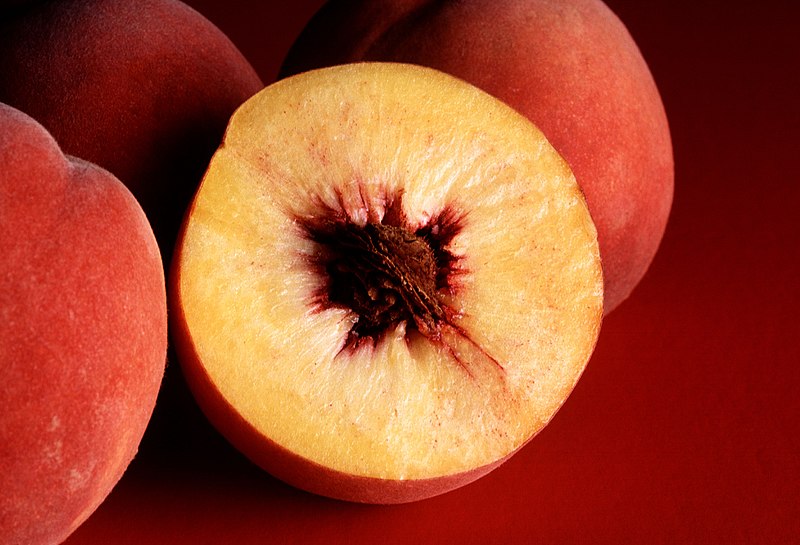
Fruit has always been tempting to eat. Even back in Genesis, Satan tempted Eve to eat the forbidden fruit God instructed not to eat. Of course, today for the most part it is good to eat fruit (it wasn't that Eve eating the fruit was bad, it was the disobedience that was bad, but that's a whole other topic!). When humans eat fruit, they normally just spit the seeds out in the trash, depending on the type of fruit (it's very hard to spit banana seeds out, they are just too tiny). But animals don’t spit their seeds out a lot. They normally eat the fruit, seeds and all. Birds often eat fruit, but while the fruit’s flesh deteriorates in the stomach acids, the seed stays intact and comes out when the bird takes a “bathroom break”. The seed then falls to the ground and is ready to sprout, often times miles from the parent plant. The bird droppings even act as fertilizer for the baby seed. Some fruity seeds include, peaches, apples, bananas, raspberries, blueberries and sunflower seeds. This rule exists in other places too. Take the African Savannah for example. Antelopes, impalas, and giraffes can take seeds many miles across the Savannah! When you go outside, look for trees or shrubs with fruits on them. You can open the fruits up and check out the seed package inside.

The fleshy fruit surrounding the seed of a peach

Back to North America! Some seeds prefer a different method of getting around. Small seeds such as jewelweed, violets, and witch hazel come in little, leafy seedpods. Then at just the right moment, the seedpod will pop open and little seeds go whizzing through the air and land far from the parent plant. Neat trick! You can try out this trick! Try touching a seedpod and if it’s the right time, the seeds will pop and fly off to a new destination!

These pods look about ready to pop!
Some seeds like to get places a little quicker than that. They prefer to stick to moving objects, literally! The seeds of sticktights, burdock and a bunch of others have seeds called burs. You know those spiky objects your dog comes home with in its fur and they take forever to pull out? Those are burs. The bur trick of moving from place to place is to hitch onto to a passing object, such as a dog, a cat, a deer, or even your clothes. You probably guessed that the little spikes on burs keep them clinging on, and you would be correct. The burs simply stick onto whatever they stuck to until they either fall off or the animal (or person) scratches it off! Next time you get a bur on your dog or yourself, instead of throwing it in the trash, look at it closely in a microscope to see what these little guys look like up-close and personal (just don’t get pricked on those spikes!).

Did you know burs gave inspiration for Velcro?
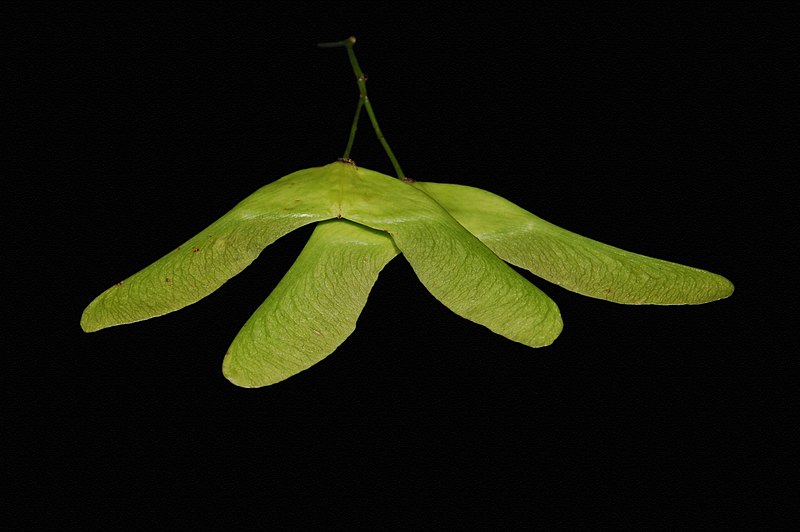
Another way seeds get around is by whizzing through the air. Instead of falling off the tree, maple seeds just get carried off by the wind to lands afar. They have curved “wings” that help it spin in the wind like a helicopter blade does. My sister, Halle and I used to play with them all the time. We would pick up a bunch of them and throw them up in the air and watch them spin! What fun that was! You can give it a “whirl” too, just get some spinners and toss them in the air and watch the fun!

These little guys will appear to "flutter" to the ground after falling off a tree
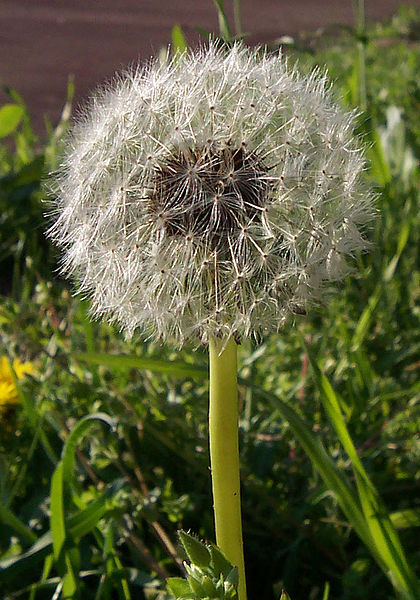
The only problem with the “whirly seed” trick is that the landing has got to hurt if the seeds could feel pain, they would probably scream after falling. One seed doesn't just float in the air and plop down, it gently descends down to earth. You may often blow the seeds of dandelions, milkweed and other plants. These plants have their seeds in, or connected to little tufts of fine, silky hairs. Normally these hairs are tossed about by the wind before gently drifting down to the ground and growing up where they land. However, you can help with this process too! Just get a little dandelion seed and blow really hard. See how far you can get it. You could even have a dandelion race with your friends (just don’t breathe in or you’ll get a mouthful of fluff!).

If you were to blow on these,  they'd go up, up, up and awa-a-a-a-a-ay!
While drifting in the air and gently descending down is really fun, what happened if the seed fell in a pool of water? A pond? A lake? A sea? An ocean? The poor little thing would probably not have the opportunity to reproduce. Spinners, burs, and acorn-like nuts can’t travel across bodies of water easily (some fruity seeds can because they are inside an animal’s body while traveling). So therefore, most air-floating seeds can’t cross large bodies of water without falling in it. But some seeds can cross large bodies of water, even oceans. Some seeds such as coconuts can do this. So when a coconut falls into the water, it can float to new places such as islands. Talk about wide-spread! Coconuts aren’t the only water-floaters rocking the dock! Try to get some seeds where you live, toss them in a puddle or a pond and see if they float. (now hearing the rest of this posts title makes sense: . . . but the only place they could seed, seed, seed was the bottom of the deep blue sea, sea, sea! See?)

A Coconut sprouting a leafy stalk
Wow, seeds are way more impressive than what meets the eye! They really know how to get around don’t they. Seeds are just another example of a beautiful creation God has made for us to enjoy!

Disclaimer: Many (or in some cases all) of the photographs and images above are not mine. If you own one or more of them and would like them to be removed, politely let me know via my email address.