I don't know if anyone else has sensed the change, but as the month of September approaches, things tend to get a little colder! Even here in Utah, we feel the chill. Today was the first day I actually felt nippy coming outside this morning. Brrr! And the cold means something really special is coming up: Harvest Day, Thanksgiving, Christmas, New Years, my birthday! The best holidays of the year are coming up real soon!
Days till:
It is: 12 days till the first day of Fall
It is: 75 days till The Good Dinosaur's theatrical release
It is: 31 days till Columbus Day
In the Spotlight:
Unfortunately, I have nothing to share in this section today either.
Topic of the Week by Christian Ryan
The Carboniferous was an ancient habitat of the pre-Flood world with a unique set of plants and animals not seen today.
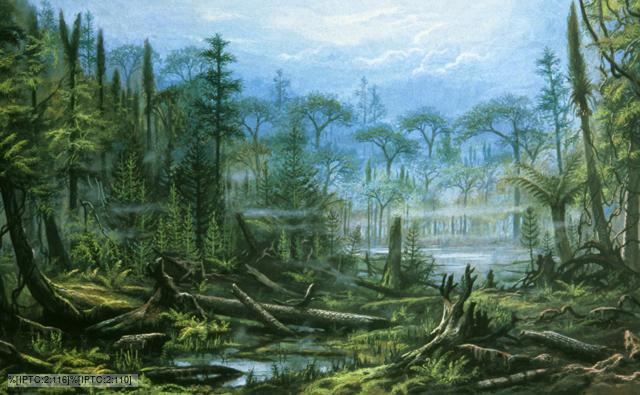
Giant tree-like plants, a bog-like environment, and giant insects, arthropods and other strange animals unlike anything we have alive today – these are just some of the many wonders of the pre-Flood ecosystem known as the Carboniferous forests. Unlike modern ecosystems, the Carboniferous forests was one of the original ecosystems God created only 6,000 years ago or so that was destroyed by the Genesis Flood about 4,350 years ago. But perhaps one of the strangest things about the Carboniferous forests was that they weren't located inland like forests of today – instead, these forests grew from continent-sized masses of vegetation that floated on the ocean! Welcome to the floating forests of the Carboniferous.
The Floating Forest of the Carboniferous was a home to many species of plants and animals. (PHOTO CREDITS)
A forest that floats across the ocean? Even though it sounds like something out of Peter Pan, these incredible habitats actually existed until about 4,350 years ago. But before we learn more about the floating forest, we must establish what the Carboniferous actually is? To find that out, we have to know our geology. The earth contains several different rock layers with different sets of fossil animals and plants. Scientific evidence shows most of these rock layers (Cambrian, Ordovician, Silurian, Carboniferous, Permian, Triassic, Jurassic and Cretaceous) were deposited during the global Flood of Noah's time, reflecting not the history of life on earth, but rather an order of burial as the flood's watery carnage rose and eventually conquered the land.
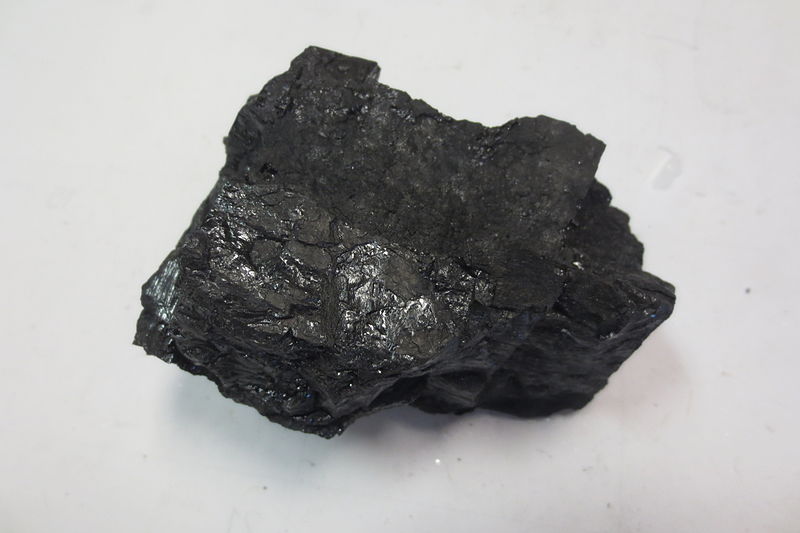
If Carboniferous doesn't sound English to you, that's because it isn't. It's actually composed of two Latin words: carbō (which means “coal”) and ferō (which means “I bear, I carry”), in essence, meaning “coal carrier”. This rock layer is perhaps one of the most important to human kind because, as its name suggests, it provided us with a material that helped us progress into the future: coal! Even though the use of coal as fuel is being looked down upon today (due to all the pollution it causes), it's been used for thousands of years; even the ancient Chinese people mined for this material. It is thanks to coal that the Industrial Revolution came about. Contrary to popular belief, coal, oil and fossil fuels don't actually come from dead dinosaurs, but from the remains of dead plants. If all the vegetation we have on earth today was turned into coal, it would only equal around 3% of how much coal the earth contains! So there must have been a lot of plant life all over the world in ancient days, and that's exactly what the fossil evidence suggests!
Coal and other fossil fuels don't actually come from dead dinosaurs; they actually come from compressed plant matter. (Wikimedia Commons)
In addition to loads and loads of coal, we also find numerous plant fossils in Carboniferous rocks. Most (if not all) of these plants have two things in common:
They are often found in marine sediments and associated with marine animals.
The roots, trunks and rootlets of these plants were hollow, and the roots of these plants grew outward rather than straight down, like most plants.
These two characteristics are features of plants that are designed for floating on water. Paleontologist Dr. Kurt Wise noticed this, and he put his theory forward that the pre-Flood world hosted huge mats of floating forests that existed atop the shallow seas fringing coastlines of some regions of the earth's original supercontinent Rodinia (it would later break up and reform into the supercontinent of Pangaea during the Flood, only to once again break up, this time into today's seven continents). It has been suggested that floating forests covered over half of the pre-Flood world's ocean surface. Ecosystems with floating vegetation aren't restricted to the pre-Flood world though – modern quaking bogs bare resemblance to these floating forests, but are far smaller. When floating forests are added to the equation, around 75% of earth's surface was mushrooming with plant life, compared to the six times less-lush planet we have today. So movies taking place in pre-Flood times (e.g. Darren Aronofsky's Noah, a film I do not condone) should really have lush, almost tropical environments rather than barren wastelands.
Believe it or not, this was what earth looked like between 6,000 and 4,350 years ago! (PHOTO CREDITS)
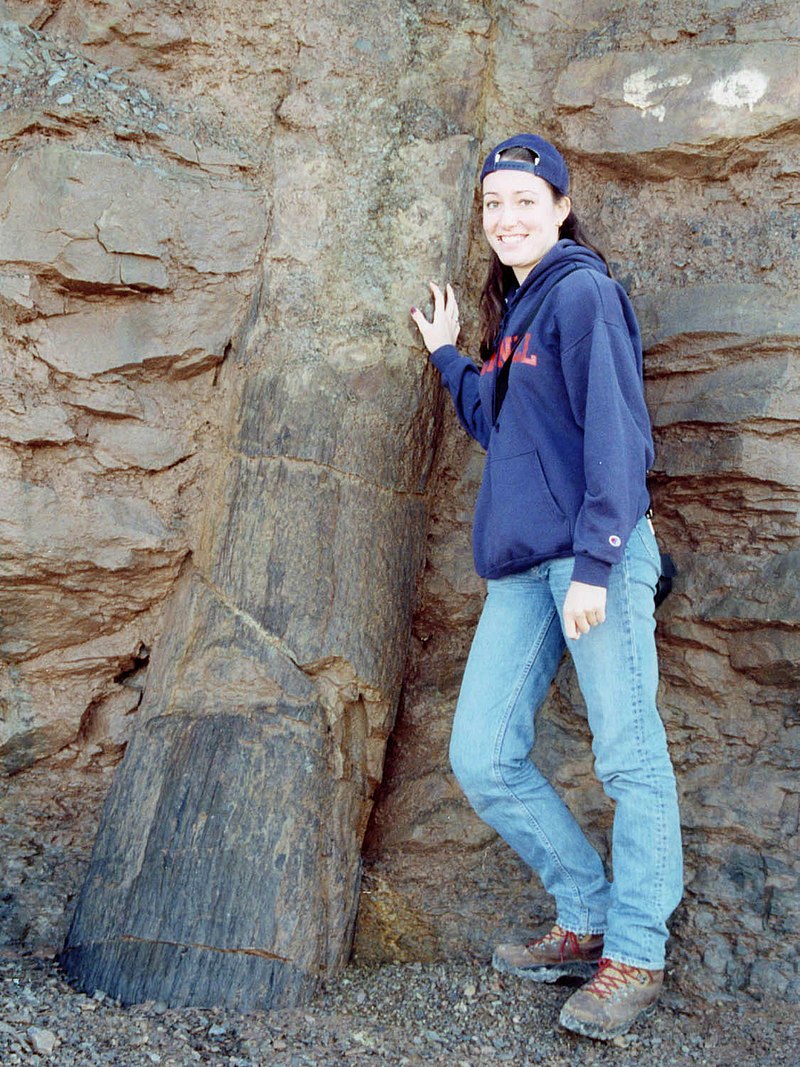
We've talked a lot about how lush these floating forests are, but not so much about what kinds of plants we would have seen had we been able to journey to this ecosystem. Well, in modern quaking bogs, the “ground” is made up of peat – a soil-like material composed of decomposed vegetable matter. Perhaps the floating forests vegetation mat was made up of something similar. The edges of the vegetation mat the forest floated upon was thinner, covered in smaller plants (many from the Devonian rock layers) and likely also possessed shallow pools which provided homes for many animals (we'll get to them in a minute). It isn't until you venture further into the forest where you meet the giants of the Carboniferous world – giant ferns, giant horsetails and conifers were common, but they were dwarfed by giant lycopod “trees” (actually giant relatives of tiny, modern club mosses!), which had no branches and could grow over 100 feet into the air!
Giant ferns, horsetails and conifers were common in the Carboniferous; some Carboniferous trees grew over 100 feet tall! (Wikimedia Commons)
But these Carboniferous floating forests were not inhabited by plants alone; an entire host of animals existed here too. Perhaps the most notable are the arthropods – segmented invertebrates with hard exoskeletons. In the pools of water beneath the great trees you would have discovered strange creatures such as Megarachne. Its name means “giant spider” and lends mention to the fact that this creature was once incorrectly considered a giant spider until relatively recently. However, fossil discoveries have revealed that Megarachne was actually a species of eurypterid, or “sea scorpion” that grew the size of a human head!
Once thought to be a giant spider, Megarachne was a species of sea scorpion. (Wikimedia Commons)
Another inhabitant of the shallow bodies of water on the forest floor was the amphibian-like fish, Tiktaalik. What made this fish unique was its ability to drag itself out of the water to like the modern lungfish via its powerful front fins. It could probably breathe air as well. These two features helped it move from pool to pool to access new living space or a new potential food source. Evolutionists have long tried to make Tiktaalik a transitional form between fish and land-dwelling tetrapods because it had features of both groups. In truth however, God perfectly designed Tiktaalik for its habitat in the floating forest*.
Tiktaalik was a fish capable of traversing between pools of water thanks to its powerful fins and (potential) ability to breathe air. It was perfectly designed for the Floating Forests. (Wikimedia Commons)
* One of the problems with the idea that Tiktaalik was the transitional form between fish and tetrapods is that it been found in rocks above the tetrapods it allegedly evolved into (it would be kind of hard for Tiktaalik to be its descendants offspring!).
Petrolacosaurus was a small lizard like creature.
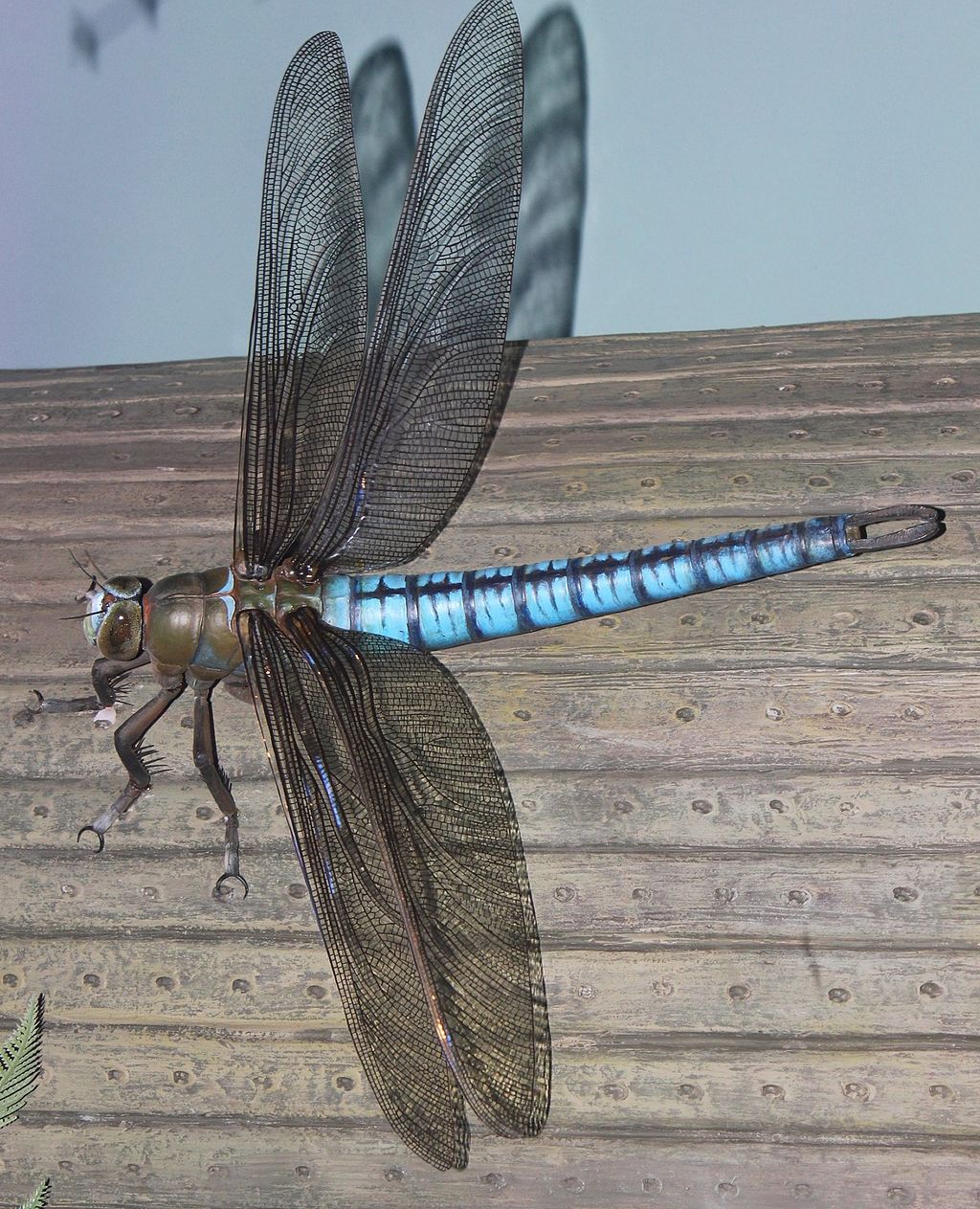
In the floating forests themselves, other creatures would have been seen. Some were amphibians, like Proterogyrinus (imagine a sharp-toothed salamander over seven feet long), and others were small reptiles, like the lizard-like Petrolacosaurus. Strangest of all the floating forest-dwellers however were still the arthropods. Mayflies are one of the several insect species found here, and they look very much like modern mayflies do today. Crawling along the ground were giant cockroaches, some of which 3.5 inches in length (that's twice as big as the ones that we squish and spray today). Feeding upon smaller arthropods (and perhaps small amphibians and reptiles), were the much more sightly dragonflies. These dragonflies were almost identical to the ones that hover in the air today, except for one thing: they were giants! With a wingspan of over 2 ½ feet, the gull-sized Meganeura was one of the largest of them all. Like modern dragonflies, Meganeura was probably swift and agile in the air, capable of reaching speeds in excess of 30 mph!
Meganeura was a monster dragonfly; with a wingspan of 2 1/2 feet, it was the largest flying insect ever! (Wikimedia Commons)
While Meganeura preyed upon things above ground, hunting terrestrially was Pulmonoscorpius, one of the largest scorpions of all time. It grew almost three feet long and had a stinger the size of a light bulb. Not a critter you'd like to bump into in the middle of the night! All these aforementioned giant insects and other arthropods lived in the company of a true giant. Meet the enormous millipede Arthropleura – it grew six to eight feet from head to tail. Thankfully, this monster was an herbivore, feeding on vegetation, such as ferns. Arthropleura has always been a personal favorite of mine. As we've seen, many strange and wonderful creepy crawlies, amphibians and reptiles once called the floating forests home.
Arthropleura was a giant millipede six to eight feet long. Thankfully, this creature was a plant eater. (Wikimedia Commons)
Alas, as beautiful as the Carboniferous floating forest was, it was not to last. 4,350 years ago, the Genesis Flood changed the earth forever. Tsunami-like waves would have ravaged the floating forests, tearing them apart, burying countless plants and animals under sediment and stripping the forests' trees of their bark. Many of these trees continued to float in the ocean for some time before they too were buried. Then, thanks to great temperature and pressure the trees and other plants experienced under the ground they made the extraordinary transformation from plants into the coal we burn today within just months (there is a lot of evidence that goes against the belief that coal takes millions of years to form).
The fossils of plants, giant dragonflies, millipedes, scorpions and other animals we find in Carboniferous rocks are a reminder of just how devastating the Flood was – after all, according to Genesis 6:11-13, God sent the Flood upon earth as a judgment upon the sin we produced that had blemished the earth. It is only because of fossils that we are able to “travel back in time” to see what those beautiful, floating forests of the Carboniferous might have been like, more than 4,350 years ago. What a sight they would have been to see!
Remains of those Carboniferous giants can only be found in the fossil record.
Disclaimer: Many (or in some cases all) of the photographs and images above are not mine. If you own one or more of them and would like them to be removed, politely let me know via my email address.
Bees are (or at least should be) on everyone's mind right now, because National Honey Bee Awareness Day is tomorrow! It's the day (every third Saturday of August) we commemorate to nature's little pollinators and honey producers. You might not believe it, but there is a lot more to honey bees than their stinger, yellow bodies and black stripes. If you want to impress your friends with some interesting bee facts, look no further! But first, it's time for...
Days till:
It is: 1 day till National Honey Bee Awareness Day
It is: 24 days till Labor Day
It is: 40 days till Fall
It is: 103 days till the theatrical release of The Good Dinosaur
In the Spotlight:
Sorry, I don't have anything to report on this week...but I do have a short video clip to show, since National Honey Bee Awareness Day is coming up:
Topic of the Week by Christian Ryan
Honey bees are very fascinating insects.
Well, National Honey Bee Awareness Day is right around the corner, so naturally, everyone is unbeelievably excited about honey bees! And why not get excited about these busy little insects? After all, if it weren't for them, where would our honey come from? Beelieve it or not though, there are quite likely some things that you don't know about these little pollinators. So today, instead of beeing beehind on your knowledge of these bee-autiful insects, take a look at my list of ten amazing facts that you may or may not know about our bee-sy bee friends. (Sorry, couldn't help but through a few bee puns in there!)
The Honey Family (Snap, Snap)*
The honey bee, like other insects, has a body made up of three parts (head, thorax and abdomen) and three pairs of legs.
When the word “bee” is said, undoubtedly the honeybee is what comes to most people's minds. However, this extremely undermines the extent of the bee family. In fact, there are over 25,000 members of the family Apidae, or bee family, around the world! Out of those, 4,000 can be found in the United States. These numbers are likely to expand in the future though, because as with many insects, new species of bees are being discovered all the time.
Some species of bees include carpenter bees, orchid bees, cuckoo bees and the bumblebee, which is capable of carrying nearly half its own body weight in pollen back to its hive!
Bumblebees are incredibly strong for their size, as they are capable of carrying half its own body weight of pollen.
* In case you didn't get the reference, this was a nod to the Adam's Family theme song.
Social Workers
Honeybees live in huge colonies that can consist of over 80,000 individuals!
Honeybees are social insects, living in cooperative colonies that can consist of over 80,000 bees! But did you know that there are three types of bees in a hive: workers, drones and the queen?
As their title suggests, the workers carry out all the work in the hive. Worker bees are always female, and their job description includes building and (if need be) repairing their hive, defending the hive, raising the young, collecting food, cleaning the hive, making the honey and many other jobs necessary to keep the hive functional. No wonder they're so busy! In fact, worker bees are so busy, that during the time of year these insects are making and storing honey, they only tend to live five to seven weeks. Thankfully, the queen ensures that these frequent deaths don't deplete the population of the colony.
Honeybees communicate via the "waggle dance", as seen above. The angle and distance of a honeybee's movements tells the other bees where sources of food or a good place for a new hive might be.
Did you know that bees are really talkative too? Instead of using verbal communication like most animals we're familiar with, bees communicate using a series of movements called the “waggle dance”. If a worker bee has located a potential place to make a new hive or a good source of food, she will return to the hive and begin to move in a figure eight while shaking her abdomen. The length and direction of each dance motion tells the other beers the distance and direction of the flowers.
The worker bee in the center of the picture is performing the waggle dance.
But instead of just talking about the waggle dance, why not watch this video on the topic?
I've Got a Stinger and I Know How to Use It! (Or) Honey, I Stung the Kids
"Honey, I stung the kids," this bee might say when she returns to the hive. Worker bees can only sting once, because they die soon after.
Honeybees are little insects that would make a tasty snack for many predators if they didn't possess a stinger at the base of their abdomen. The stinger is attached to a venom gland in the insect's abdomen; it's this venom that gives a beesting its punch. Once a bee stings something (be it animal or human), a fishhook-shaped barb at the end of the stinger prevents it from being pulled out easily. Therefore, the stinger remains in the victim even after the bee flies away, continuing to pump additional venom into the wound. Thankfully, unless a person is allergic to bees, a beesting is not dangerous.
The honeybee might beg to differ, however, as stinging a victim is dangerous for the bee. When a bee stings something, the entire stinger and venom gland are torn from the bees abdomen. This causes it to die soon after. This isn't the case with all bees though; bumblebees lack a barb on the end of their stingers, allowing them to continue stinging something several times if need be. (The same is true of queen honey bees, but since they rarely leave the hive, the chances of getting stung by one are extremely slim.)
Honeybees and the Flowers
Honeybees are one of our most important pollinators.
Bees share a special relationship with flowering plants. When a worker bee goes out to collect what it needs to make food for the rest of the hive, she finds a flower and crawls into it to access the nectar inside. In the process, pollen attaches to the bee. Every time this bee lands on another flower, she drops and picks up pollen, meaning pollen is carried from flower to flower. It is this pollen that the bee drops off that allows the flower to produce fruit with seeds in it, meaning it can reproduce after its own kind. Isn't this process ingenious? In this fashion, bees and flowers share a symbiotic relationship – the flower is allowed to reproduce and the bee gets nectar she needs to make the food she eats...er, drinks, actually. The flower can't live without the bee and vise versa. Nature's Honey Manufacturers
Would you believe me if I told you that honey is technically honeybee vomit?
A worker honeybee extracts nectar using her long, tube-like tongue called a proboscis, storing it in a portion of her gut designated for temporary nectar storage, or “honey stomach”, as it's sometimes called. Once full and weighing twice her usual body weight, she flies back to the hive and honey manufacturing begins. Once arriving at the hive, another worker bee will stick her own proboscis down the nectar-filled bee's throat and she sucks out the nectar. This nectar is then processed in her mouth and honey stomach for about half an hour to give the nectar time to be broken down by special enzymes that make the nectar easier for the bees to digest once it's made into honey. After the 30 minutes or so is up, the honeybee regurgitates the nectar into a honeycomb. So essentially, honey is honeybee vomit...still sound yummy?
The Queen Bee
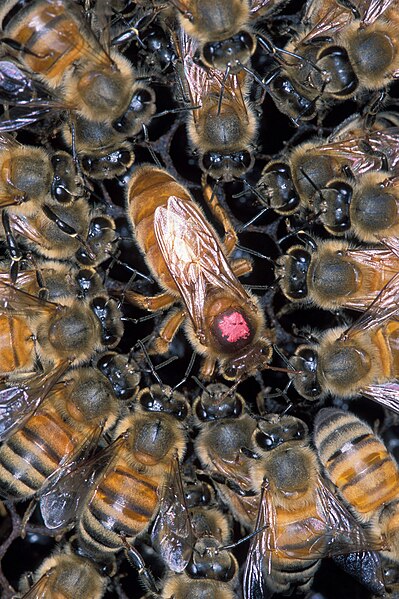
Though she's unlikely to win any spelling bees, the queen bee is one of the most important bees in the hive. Here, she is marked with a red dot by her researchers so they can easily locate her amid possibly 80,000 other bees.
Earlier, I mentioned that there are three types of bees. One of which is the Queen Bee. The queen bee is the largest individual in the colony and it's her job to ensure that there's always a steady addition of new bees born. She also releases chemicals into the hive that stimulate the behaviors of other bees in the hive. Needless to say, the queen is extremely important, and without her, the hive goes haywire fast! So when a queen bee dies, the workers must quickly make a new queen form. How do they create a new queen? The answer lies in a special food called “royal jelly”.
These two queen bees are given royal jelly to help them grow into the roles as queens.
Royal jelly is a special diet that worker females feed to a select group of female baby worker bees. The royal jelly triggers the development of several “queen bee exclusive” features in their body, including reproductive organs. Then when the first queen bee reaches maturity, she will kill off the other developing queens to ensure she has no competition. Now, she top bee in the hive. As their life isn't nearly as busy as that of a worker bee, a queen bee can live between three to five years in the wild.
Did I mention royal jelly is sold for human consumption too?
What About the Boys?
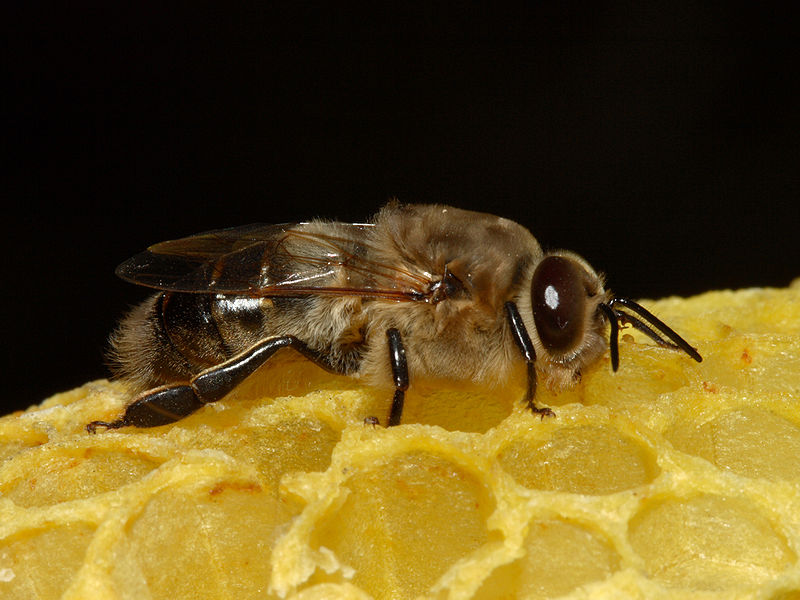
Honeybee drones, or males, do not sting. Their only purpose in life is to mate with the queen bee.
Most often talked about concerning bees are the workers and queen bees, but not all bees are female. There are several hundred drone, or male, bees in a hive. They don't have stingers and have nothing to do with the upkeep of the hive, or collecting food. Their only job in life is to mate with the queen. However, during the leaner winter months, the drones are banished from the hive in order to ensure there's enough food for the colony to last the entire winter.
What Come Winter?
In winter, honeybees, like these giant honeybees pictured above, gather together to conserve warmth.
Honeybees (the workers anyway) work throughout the spring and summer months to ensure there's enough food to last the entire winter, where flowers no longer produce nectar. In order to retain a high body temperature during the colder parts of the year, the colony bunches together into a tight ball. It is also during this time of year that bee larvae are fed and developed for their life of constant work, so that when the spring dawns, the next generation of bees is ready to fulfill their purpose in life.
Once a Bee, Always a Bee
We know exactly what the bees dinosaurs lived with looked like because they are perfectly preserved in fossilized amber. Believe it or not, these bees are almost identical to modern bees.
When the word “fossil” comes to mind, bees are not usually brought up. However, we've found numerous fossils of bees in the fossil record; the lowest rock layer we've found bees in so far has been the lower Cretaceous rock layers, and using unreliable and unverifiable dating methods, age these rocks to be approximately 100 million years old. Unlike dinosaurs, we're able to even learn what these ancient bees would have looked like because we don't only find them as fossils, but also preserved in fossilized tree sap, called amber! Amber is almost like a time capsule, able to preserve the insect so that it remains exactly how it looked in life!
We can learn a lot from bees found preserved in amber. For one thing, we can easily recognize these insects as bees. They've changed very little in the past (alleged) 100 million years. But while evolutionist scientists would argue that these fossil bees are like snapshots of their evolution, this can hardly be the case considering the bees are almost identical to modern bees. The fact that the bees are almost identical better fits a scientific model that evolution hadn't occurred at all in bees. We see no evidence in the fossil record to suggest that bees evolved from any other kind of insect. Instead, just like the Bible says in Genesis chapter one, the fossil record reveals that bees have been reproducing after their own kind. They were created during the creation week around 6,000 years ago and since then have diversified into tens of thousands of different species. But never once have bees developed into anything other than a bee. Beela Vanilla
This little guy, er...girl, actually, is a Melipona bee, the kind of bee responsible for the pollination of vanilla plants.
So we know we get honey (and of course, beeswax) from bees, but there's something else that we get from bees that most of us couldn't imagine living without: vanilla! That's right! Vanilla is also produced by bees! The bees responsible for making vanilla are called Melipona bees. These bees are native to South America and, unlike their honey-making relatives, don't have a stinger. Melipona bees have a symbiotic relationship with the vanilla orchid. This species is one of the few capable of pollinating these orchids, making them just as important to the orchid as the orchid is to the bee. It is thanks to these little pollinators that we have vanilla today.
I hope you learned an unbeelievable amount of bee facts from this article. Tomorrow, as we celebrate National Honey Bee Awareness Day, be sure to spare a thought for these little creatures. Because if God had never made them, we'd never have beeswax, (vanilla in the case of the Melipona bees) or honey.
Disclaimer: Many (or in some cases all) of the photographs and images above are not mine. If you own one or more of them and would like them to be removed, politely let me know via my email address.